
How Should Buyers Compare Home Insurance on Older vs. Newer Arizona Homes?
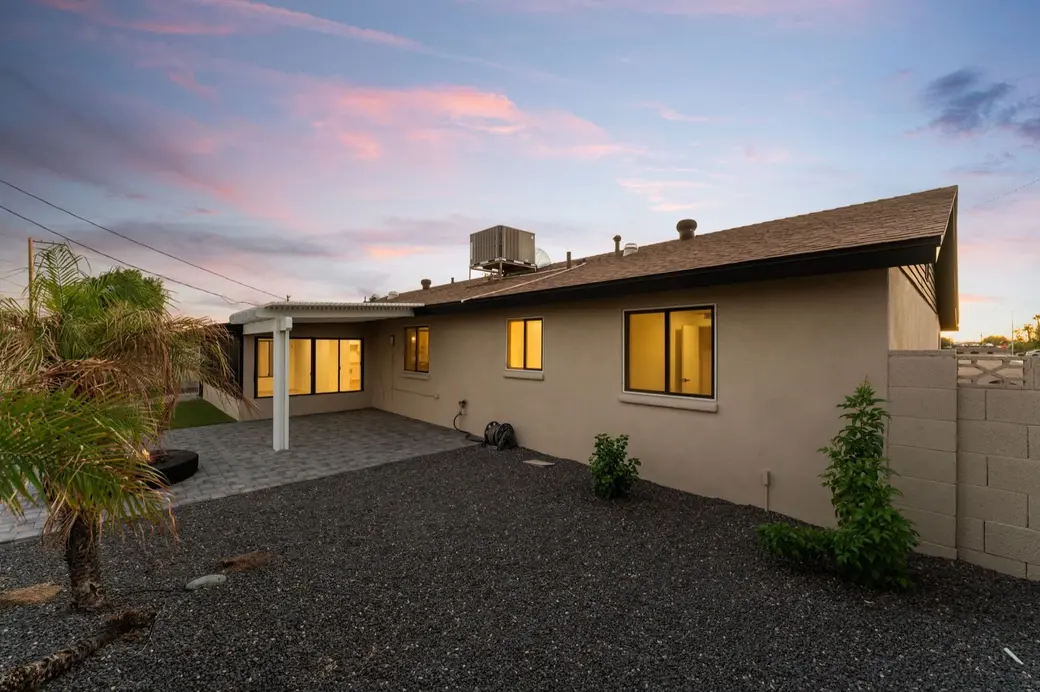
Arizona buyers should compare insurance before they assume an older home is cheaper or a newer home is safer. Roof age, AC, plumbing, electrical, claims history, location, coverage limits, deductibles, and lender requirements can all change the real payment.
Insurance is one of the ownership costs buyers often check too late. A quote can change the monthly payment and sometimes the buyer's comfort with the property.
The age of the home is only one factor. Condition, updates, systems, and carrier underwriting all matter.
For East Valley buyers and sellers, this is not a side issue. East Valley buyers often compare older Chandler, Mesa, and Tempe homes against newer Gilbert, Queen Creek, and San Tan Valley homes where system age and replacement risk differ.
The practical test is simple: if insurance comparison changes the payment, cash-to-close, or risk after closing, it belongs in the same comparison as price and condition. Buyers should ask for the document, name the source, and decide before the review window gets tight.
That also keeps the advice useful after market numbers change. The source linked below was reviewed on August 23, 2026, but the stronger habit is durable: verify the specific parcel, specific contract, and specific service provider instead of relying on the cleanest online summary.
Use Chandler homes and neighborhood pages and Gilbert homes and neighborhood pages to keep the property search grounded while you compare the monthly cost. A stronger decision usually comes from seeing the full ownership picture before the contract gets emotionally hard to unwind.
What is the short answer on insurance comparison?
Buyers should get insurance quotes early and compare coverage, deductibles, roof age, system age, claims history, lender requirements, and exclusions. A home's age alone does not tell the full insurance story. This belongs in the decision because insurance comparison affects payment, cash-to-close, lender review, negotiation leverage, and confidence before closing.
| Insurance factor | Older home question | Newer home question |
|---|---|---|
| Roof | Age, material, condition? | Any installation or warranty issue? |
| Systems | Plumbing, electrical, AC updated? | Any builder or product issue? |
| Coverage | What is excluded? | What limits apply? |
| Deductible | What is out-of-pocket? | Does payment still work? |
A buyer should not wait until the final week to quote insurance. If the carrier has concerns about roof, electrical, plumbing, or prior claims, the buyer needs time to respond.
The lender may also need insurance in place before closing. That makes timing part of the transaction, not only a post-closing chore.
Why can older homes create insurance questions?
Older homes can create insurance questions when roof age, electrical panels, plumbing materials, prior claims, or deferred maintenance affect carrier comfort. The buyer should verify insurance before assuming the home fits the payment. This belongs in the decision because insurance comparison affects payment, cash-to-close, lender review, negotiation leverage, and confidence before closing.
An older home may still insure cleanly, especially when systems are updated and documented. The point is not to avoid older homes.
The point is to collect quotes early enough that insurance does not become a surprise after inspection.
Can newer homes still have insurance issues?
Newer homes can still have insurance issues because coverage, deductibles, replacement cost, location, claims history, and community factors vary. Newer construction may help some questions, but it does not eliminate review. This belongs in the decision because insurance comparison affects payment, cash-to-close, lender review, negotiation leverage, and confidence before closing.
A new build still needs a real insurance quote, not a guess. The buyer should understand premium, deductible, coverage limits, and any carrier-specific requirements.
If the home is in an HOA, condominium, or attached-home setting, the buyer should also understand the association's insurance role.
How should insurance affect the offer?
Insurance should affect the offer when premium, deductible, coverage limits, or carrier concerns change affordability or risk. Buyers should compare insurance before finalizing how much home they can comfortably carry. This belongs in the decision because insurance comparison affects payment, cash-to-close, lender review, negotiation leverage, and confidence before closing.
A higher insurance quote can change the monthly payment in the same way taxes or HOA fees do. It belongs in the same comparison.
If insurance raises a condition concern, the buyer should decide whether to negotiate, request repairs, choose different coverage, or move on.
What official insurance source should buyers review?
Use NAIC homeowners insurance guide, reviewed August 23, 2026 as the official checkpoint for this topic. It will not replace lender, escrow, tax, insurance, HOA, or legal advice, but it gives buyers a cleaner reference before they rely on an assumption.
The source is a starting point, not the whole answer. The exact property, county, lender, HOA, insurance carrier, title commitment, and contract language still control the decision.
That is why this article keeps the advice evergreen. The useful move is knowing which documents to request and which professional should answer each cost question.
How does Josh handle insurance timing?
Josh Hogan usually pushes insurance quotes earlier when roof age, AC age, or older systems could matter. Waiting until closing week gives the buyer fewer options if the quote changes the payment. This belongs in the decision because insurance comparison affects payment, cash-to-close, lender review, negotiation leverage, and confidence before closing.
The best buyer conversations happen when insurance sits next to taxes, HOA, and lender payment before the decision hardens.
That is especially true when comparing older resale homes against new construction.
Planning the next East Valley move?
Before waiving inspection concerns, get an insurance quote that reflects the actual property, roof, systems, coverage, and deductible. Pair that with talk through the numbers and contractor directory before you make the final call.
Frequently asked questions
Should buyers get insurance quotes before inspection ends?
Yes, especially when roof age, system age, claims history, or lender requirements could affect the decision.
Are newer homes always cheaper to insure?
Not always. Premiums depend on many property, coverage, carrier, and deductible factors.
Can insurance affect loan approval?
Insurance can affect closing because lenders generally need acceptable coverage in place.
Should I compare deductibles as well as premiums?
Yes. A lower premium with a higher deductible may not fit every buyer's risk tolerance.
Josh Hogan | Live AZ Co | Real Broker AZ, LLC #LC696641000 | Equal Housing Opportunity
Categories
Recent Posts


GET MORE INFORMATION
