
What Should Buyers Know About Pool Homes in Gilbert and Chandler?
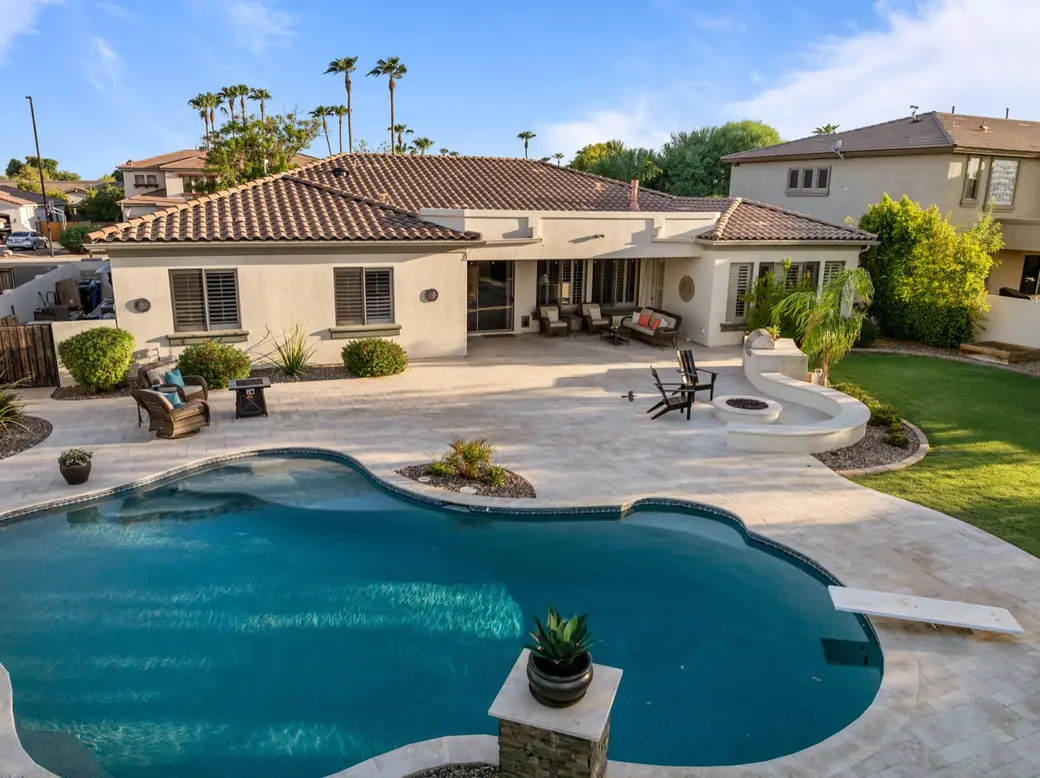
A pool can be one of the best parts of an East Valley home, but buyers should evaluate it like a system. Equipment age, surface condition, leaks, safety barriers, automation, service history, energy use, and repair costs all matter.
Pool homes are common enough in Gilbert and Chandler that buyers sometimes underwrite them casually. That is a mistake.
A nice-looking pool can still have old equipment, surface wear, plumbing concerns, or missing safety details. The buyer should understand the pool before treating it as pure upside.
For East Valley buyers, this is not trivia. Gilbert and Chandler buyers often compare pool homes against similar non-pool homes, so the pool has to make sense as both a lifestyle feature and an ownership cost.
Use Gilbert homes and neighborhood pages and Chandler homes and neighborhood pages to keep the search grounded while you sort the details. A stronger purchase usually comes from fewer assumptions, cleaner documents, and a property that still makes sense after the inspection period.
What is the short answer on buying a pool home?
Buyers should inspect the pool like a major system, not a backyard decoration. Equipment, surface, plumbing, automation, safety, service history, energy use, and repair cost can all affect the real value of the home. That matters because pool due diligence can affect cash, timing, lender comfort, negotiation leverage, and how confidently the buyer can move toward closing.
| Pool item | Question to ask | Why it matters |
|---|---|---|
| Pump and filter | How old are they? | Replacement can be costly |
| Surface | Any cracking, stains, or roughness? | Resurfacing affects budget |
| Automation | Does the app or panel work? | Access and convenience matter |
| Safety | Are barriers and gates appropriate? | Risk and insurance topic |
A general home inspection may not be enough. Buyers should consider a pool inspection when the pool condition, equipment age, or ownership cost matters to the offer.
Ask for service records and recent repair invoices. A pool that has been consistently maintained is a different ownership picture than one cleaned up for photos.
Should buyers order a separate pool inspection?
Buyers should consider a separate pool inspection when the home has older equipment, visible wear, automation, heaters, water features, or unclear service history. A pool specialist can often provide more useful cost context. That matters because pool due diligence can affect cash, timing, lender comfort, negotiation leverage, and how confidently the buyer can move toward closing.
Pool equipment can be technical. Pumps, filters, heaters, valves, salt systems, automation panels, lights, and water features each have different failure points.
A specialist opinion can help the buyer decide whether to request repairs, ask for a credit, accept the risk, or change the offer.
How do pools affect resale in Gilbert and Chandler?
Pools can help or hurt resale depending on condition, yard layout, price point, safety, maintenance cost, and buyer preference. In the East Valley, pool demand is real, but not every pool adds the same value. That matters because pool due diligence can affect cash, timing, lender comfort, negotiation leverage, and how confidently the buyer can move toward closing.
A well-placed, well-maintained pool can make a home feel harder to replace. A tired pool with poor yard layout can feel like an expensive project.
Buyers should compare the pool against active alternatives. If several similar homes have cleaner pools, the pool becomes a condition issue, not a bonus.
How should pool condition affect an offer?
Pool condition should affect an offer when repair cost, resurfacing, equipment age, safety needs, or service history changes the buyer's ownership budget. The buyer should negotiate from inspection findings, not pool excitement. That matters because pool due diligence can affect cash, timing, lender comfort, negotiation leverage, and how confidently the buyer can move toward closing.
A buyer who wants the pool should still be honest about the cost. Monthly service, electricity, repairs, water, and future resurfacing all belong in the ownership picture.
If the home is otherwise right, those costs may be acceptable. The key is knowing them before the buyer closes.
What official buyer guidance applies to pools?
Use ADRE Buyer Advisory, reviewed August 23, 2026 as the official checkpoint for this topic. It will not replace property-specific advice, but it gives buyers a cleaner way to know which documents, questions, and deadlines deserve attention before closing.
The source should not be treated as a script for negotiation. It is a reference point. The contract, inspection findings, lender requirements, title instructions, and local utility rules still control the actual next step.
The value is that it keeps the buyer from relying on memory, assumptions, or the way a friend handled a different house. Real estate details are local, document driven, and deadline driven.
How does Josh evaluate pool homes?
Josh Hogan usually looks at whether the pool improves the property or creates a project. The deciding details are equipment age, yard layout, surface condition, safety, service history, and how the pool compares with nearby alternatives. That matters because pool due diligence can affect cash, timing, lender comfort, negotiation leverage, and how confidently the buyer can move toward closing.
That keeps the buyer from overpaying for blue water in a photo. The pool has to survive inspection and resale logic.
When it does, it can be a strong East Valley feature. When it does not, it needs to be priced like a system with future cost.
Planning the next East Valley move?
Before paying a premium for a pool, get the pool condition, equipment age, service history, and repair exposure clear. Pair that with contractor directory and talk through the property before you make the final call.
Frequently asked questions
Should I get a pool inspection before buying?
Often yes, especially if equipment is older, the surface shows wear, or the pool has automation, heaters, or water features.
Do pools always add value in Gilbert and Chandler?
No. Value depends on condition, design, price point, buyer demand, maintenance cost, and comparable inventory.
What pool costs should buyers budget for?
Budget for service, chemicals, electricity, water, repairs, equipment replacement, and eventual resurfacing.
Can pool condition affect negotiation?
Yes. Specialist findings, repair quotes, and service history can support repair, credit, or price conversations.
Josh Hogan | Live AZ Co | Real Broker AZ, LLC #LC696641000 | Equal Housing Opportunity
Categories
Recent Posts


GET MORE INFORMATION
