
Why Did My East Valley Home Get Showings But No Offers?
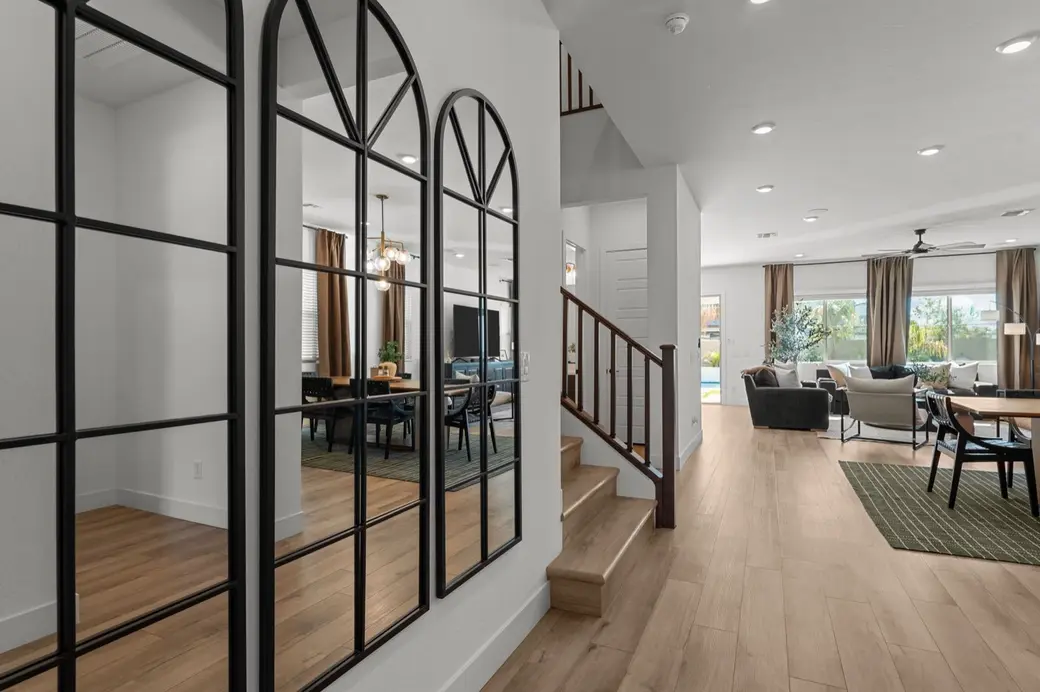
Showings without offers usually mean buyers were interested enough to visit, then found a mismatch once they walked the home. In the East Valley, the issue is usually price-to-condition, an expectation gap from the photos, a layout objection, or stronger nearby competition.
A showing is a useful signal because it means the home cleared the first online screen. It does not mean the price, condition, and terms have cleared the second screen.
What do showings without offers usually signal?
Showings without offers usually signal that the listing is visible but not persuasive after buyers experience it. The home may look competitive online, but the in-person visit exposes a gap in condition, layout, location, smell, noise, access, or value compared with other homes.
This is different from a listing that receives no tours at all. No tours can be a search problem. Tours with no offers are a conversion problem. Buyers are taking the time to inspect the home, then choosing not to move forward.
The first step is to group the feedback by pattern. One buyer who dislikes a floor plan may not matter. Seven buyers who mention the same maintenance issue are telling the seller where the friction sits.
Also separate buyer behavior by timing. A first weekend with heavy traffic and no offers may still be an early read, while several rounds of qualified showings with the same objection is stronger evidence. The seller should know whether the home is losing at the front door, during the tour, or after buyers compare notes with another listing.
How can I separate price problems from condition problems?
Price and condition often look like separate problems, but buyers usually evaluate them together. If the home needs work and the price leaves no room for that work, the issue is not only condition. It is the price buyers are asked to pay for that condition.
| Showing signal | Likely cause | Seller move |
|---|---|---|
| Buyers like the layout but mention needed repairs | Condition risk is visible after the tour | Price, repair, or credit strategy should be reviewed |
| Buyers say the home feels smaller than expected | Photography or room use may have created the wrong expectation | Adjust presentation and compare against similar layouts |
| Buyers tour and then write offers elsewhere | Nearby competition offers better total value | Study pending homes, not only active listings |
| Feedback is vague but no one returns | The listing may lack a clear reason to choose it | Clarify the strongest feature or improve the value gap |
Do not treat every criticism as a repair order. Some buyers are comparing taste, not defects. The useful evidence is the objection that appears repeatedly across different buyers and different agents.
What buyer feedback is useful and what is noise?
Useful feedback names a repeatable reason a buyer chose not to write. Noise is vague, emotional, or disconnected from comparable choices. A comment about paint color may be noise. Repeated comments about old flooring, heavy traffic noise, or pricing beside cleaner homes are evidence.
The Arizona Department of Real Estate Buyer Advisory is written for buyers, but it is useful for sellers because it shows how many property details buyers are asked to investigate. Condition, systems, boundaries, utilities, and surrounding conditions can all shape confidence.
That is why the follow-up question matters: did the buyer reject the house, or did the buyer reject the house at this number with these terms? Those are not the same diagnosis.
When should presentation change before price?
Presentation should change before price when buyers misunderstand the home, miss the best feature, or arrive with expectations the property cannot meet. Price should move first when the photos are accurate, access is reasonable, feedback repeats, and stronger comparable homes keep winning the buyer.
Presentation can mean a new lead photo, a room-use change, a cleaner remarks section, a better showing order, or a small repair that removes uncertainty. A seller should make a presentation change only when it has a defined job.
If the issue is value, cosmetic changes can delay the real decision. If the issue is confidence, a price change may spend money without solving the buyer's concern. The sequence matters.
What would Josh check after the first 10 showings?
After roughly 10 showings, Josh Hogan would look for a pattern across feedback, repeat visits, pending competition, pricing filters, and buyer agent comments. The field question is whether buyers are rejecting the home for the same reason or whether the listing has met several unrelated preferences.
In East Valley seller conversations, the most useful review is rarely emotional. It compares what buyers saw online, what they felt in person, and which home they chose instead. That tells the seller whether the fix is the listing package, the physical condition, the pricing position, or the terms.
A seller with a next purchase to protect should review this earlier than a seller with no timing pressure. A missed month can affect the purchase side of the move, not only the sale.
Planning the next move after showings but no offers?
Start by comparing the listing against the homes buyers are choosing now. A refreshed East Valley home valuation, the current market snapshot, and Live AZ Co's seller process can turn scattered feedback into a cleaner next step.
Frequently asked questions
How many showings before I should worry?
There is no universal number. A seller should worry when enough qualified buyers have toured to reveal a repeated objection, especially if similar homes are receiving offers during the same period.
Should I reduce price if buyers are showing up but not offering?
Maybe. A price reduction makes sense when the feedback and competition point to value. If buyers are confused by presentation or access, fix that problem before changing the number.
Can bad photos cause showings but no offers?
Yes. Photos can set the wrong expectation. If the home feels different in person than it looked online, buyers may tour and then disengage without writing an offer.
Is buyer feedback always reliable?
No. One buyer's preference is not the market. Repeated feedback, competing pending sales, and offer behavior are more useful than a single comment from one showing.
Josh Hogan | Live AZ Co | Real Broker AZ, LLC #LC696641000 | Equal Housing Opportunity
Categories
Recent Posts


GET MORE INFORMATION
